
Understanding Malaysia’s Trade Story
Explore how electronics and palm oil shape global supply chains, and what RCEP and CPTPP mean for ASEAN trade
Malaysia’s Trade at a Glance
Key sectors that drive the economy and regional commerce
Semiconductors and electrical equipment represent Malaysia’s largest export category by value
Palm oil production volume, making Malaysia a top global supplier
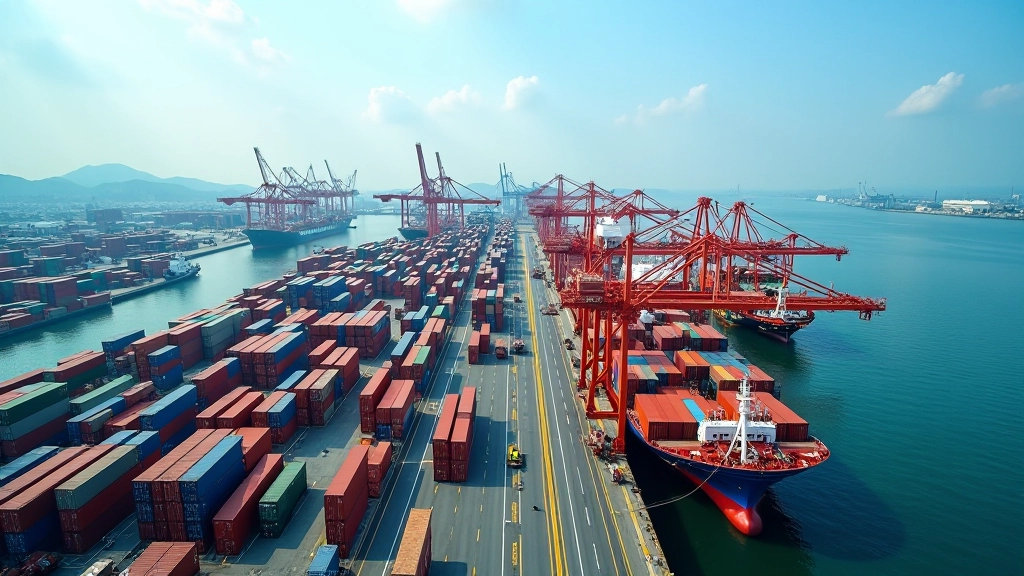
Including RCEP and CPTPP, shaping bilateral and regional commerce
Essential Reading on Malaysian Trade
Practical guides to understanding trade balance, export sectors, and regional agreements

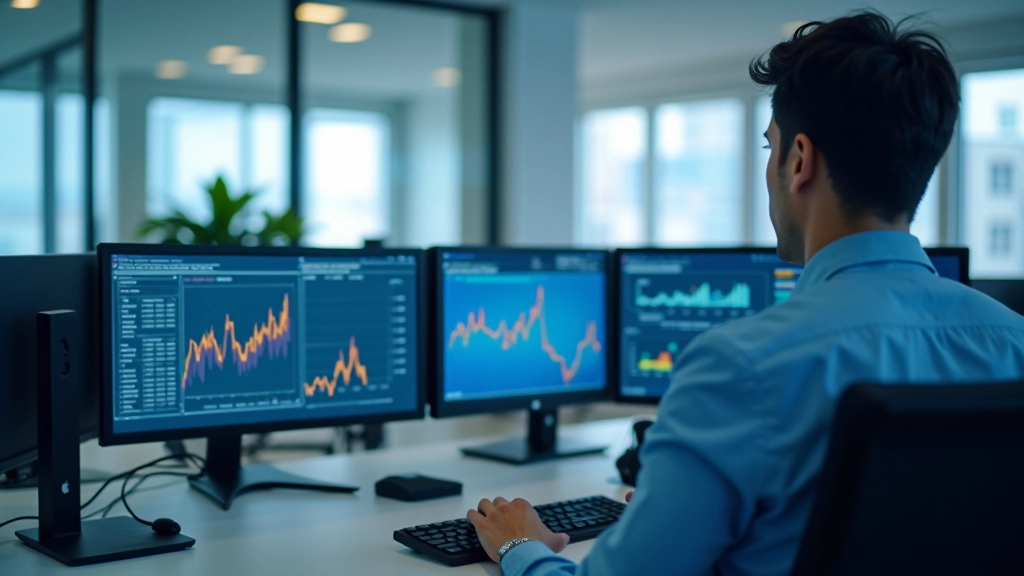
Reading Trade Balance Sheets: A Beginner’s Guide
Learn how to interpret trade data, understand imports versus exports, and what deficits actually mean for an economy.
Read Guide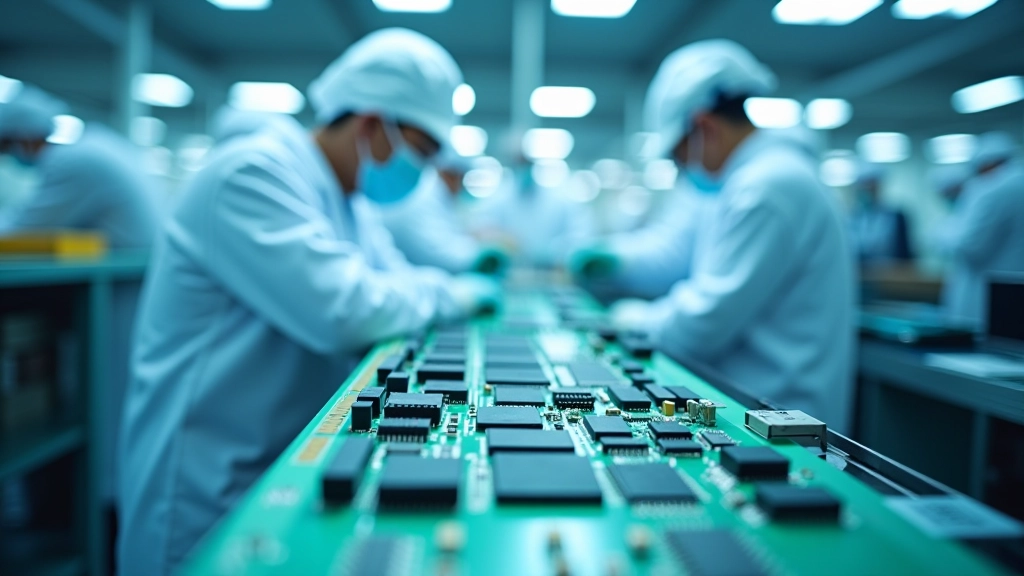
Why Electronics Dominate Malaysia’s Export Market
Explore the semiconductor and electrical equipment sector that generates billions annually and shapes regional supply chains.
Explore Sector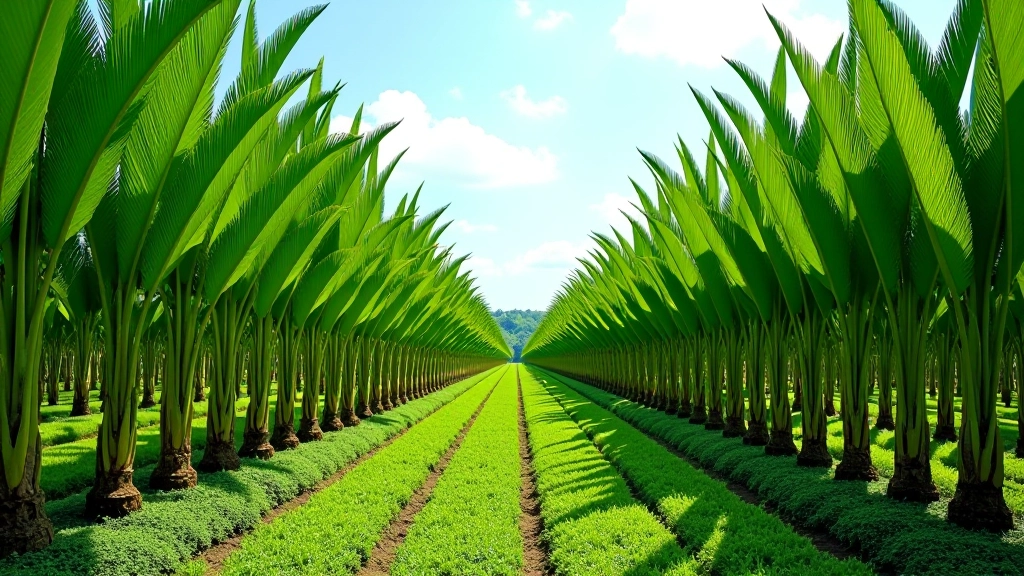
Palm Oil Exports: Commodity, Controversy, and Trade Reality
Understand Malaysia’s role as a global palm oil supplier, market dynamics, and how trade policies affect this major commodity sector.
Learn MoreHow to Navigate Trade Fundamentals
A structured approach to understanding international commerce
Understand Trade Balance Basics
Start with the fundamentals of how imports, exports, and trade deficits work. We break down what economists actually mean when they discuss these figures.
Explore Sector-Specific Dynamics
Dive into Malaysia’s major export sectors. Electronics and palm oil drive the economy differently, and understanding each reveals how trade really works.
Learn About Regional Trade Agreements
RCEP and CPTPP reshape how countries trade. These agreements affect pricing, supply chains, and economic relationships across Asia and beyond.
Understand ASEAN Intra-Regional Trade
Malaysia doesn’t trade in isolation. ASEAN cooperation drives regional economics. Learn how countries within the bloc work together and compete.
Why Trade Data Matters
International trade shapes everything from the prices you pay to the jobs available in your community. Malaysia’s position as a major exporter makes understanding these patterns essential.
We’re not economists writing academic papers. We’re people who believe trade fundamentals should be accessible. Whether you’re a student, business professional, or simply curious about global commerce, you’ll find practical, clear explanations here.
What You’ll Understand
After exploring our resources, you’ll have practical knowledge about
Trade Balance Mechanics
How imports and exports interact, why deficits happen, and what they mean for economic policy
Electronics Export Sector
Malaysia’s role in semiconductor production and why this industry matters globally
Palm Oil Dynamics
Supply chains, market forces, and the intersection of commodity trade with sustainability
Trade Agreements Impact
How RCEP and CPTPP reshape business, pricing, and economic relationships in the region
ASEAN Integration
Why regional cooperation matters and how it influences individual country economics
Real-World Application
How to read trade news, understand policy announcements, and follow market trends
Ready to Explore Trade Fundamentals?
Start with our beginner’s guide to trade balance interpretation, or jump straight into specific sectors. All resources are free and designed for clarity.
Browse All Resources